The Women's Political Participation Program is committed to reshaping the narrative and reality of women's political engagement in the Arab region. At the heart of this initiative lies the belief that women's political participation is not just an aspect of gender equality, but a fundamental component of robust and resilient democracies. We view women's involvement in politics not merely as a matter of representation, but as a vital force in shaping public policy, governance, and the very fabric of political life.
Our approach is holistic and integrative, acknowledging that women's political participation is interwoven with broader socio-political and economic contexts. We aim to elevate women's roles beyond traditional boundaries, ensuring their voices are not only heard but are influential in decision-making processes. This encompasses supporting women’s inclusion in peace processes, recognizing that peace and political stability are inherently linked to gender equality.
Key to our program is the collaboration with civil society actors, academics, activists, and networks, both within the Arab region and in Europe. By facilitating dialogue, providing resources, and advocating for policy changes, we work to create environments where women can participate meaningfully in political and peace processes. Our goal is clear: to foster political arenas where women have equal opportunities to contribute, lead, and effect change, thereby establishing post-conflict gender-egalitarian frameworks and shaping a more equitable and democratic future for the region.
Publications
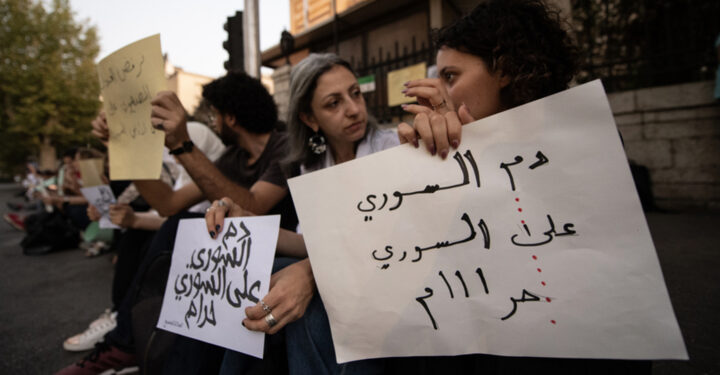
The Algorithm of Fear: Influencers, Impunity, and the Silencing of Syrian Women
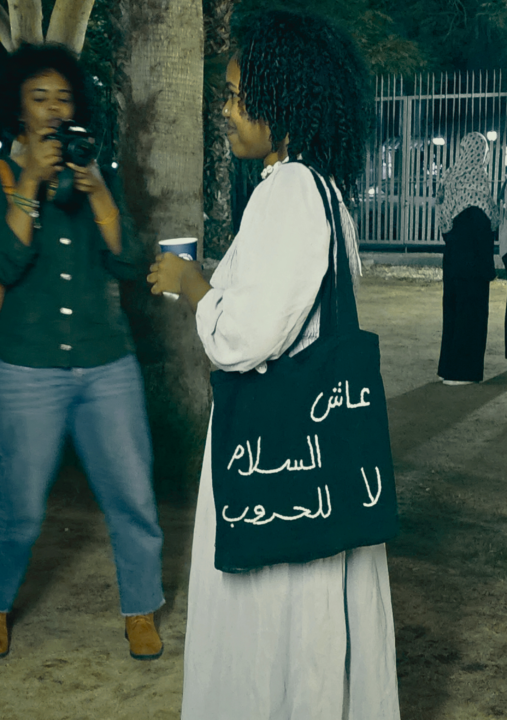
From Cyber Threats to Real Danger: Sudanese Women Journalists in the Crosshairs of Digital Violence
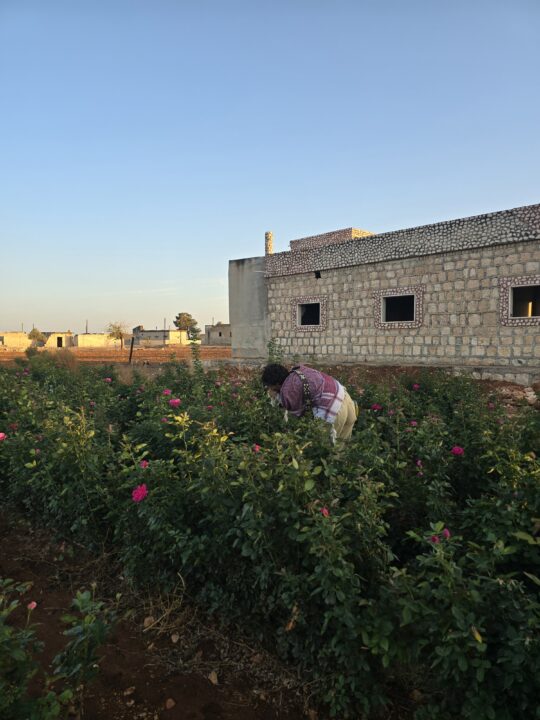
Syria’s Seeds and the Politics of Care: A Materialist Feminist Perspective
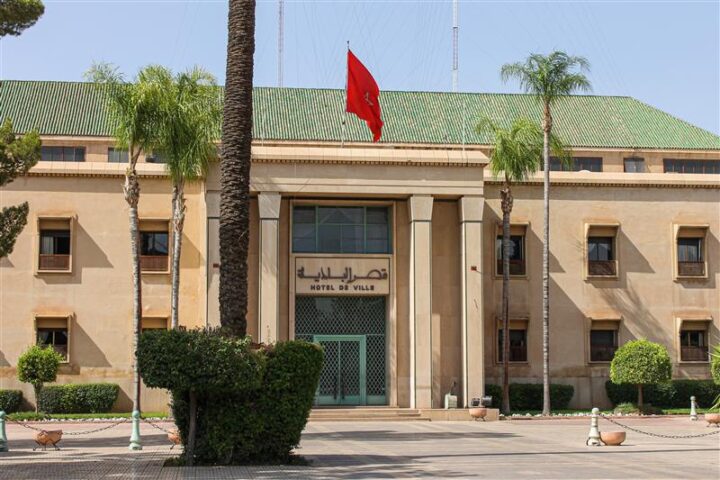
Assessing the Quota Experiment in Morocco: Between Electoral Control and the Creation of Female Elites
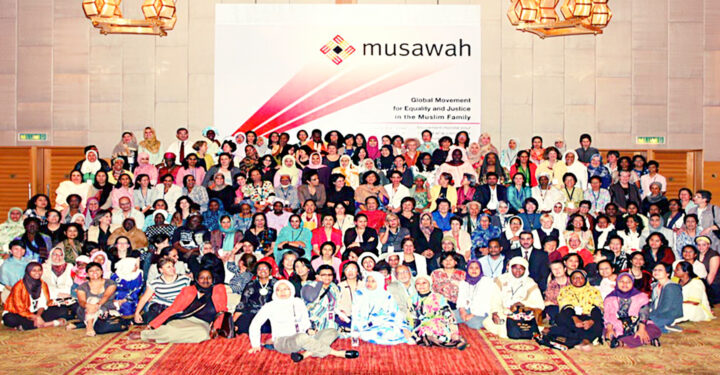
Islam, Feminism, and Family Laws: A Conversation with Musawah
Domestic violence against women in Saudi Arabia: A persistent dilemma amidst claims of reform

Cybercrime against Women in Yemen: Legal frameworks and social change
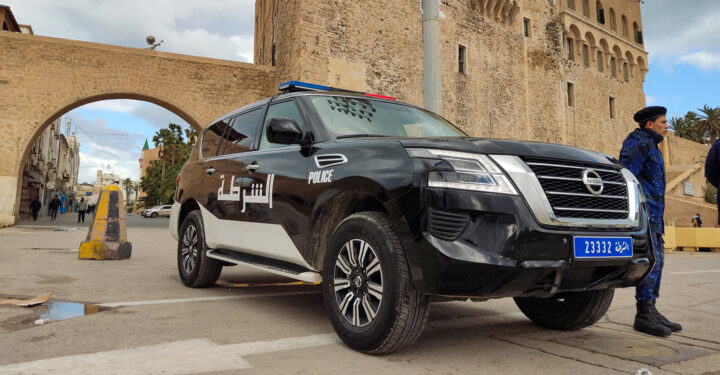
Libya’s Morality Police: Political Theater in the Face of Crises
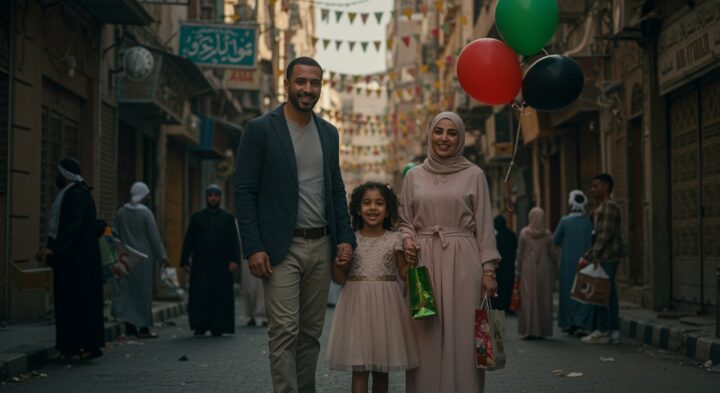
The Making of Egypt’s Personal Status Law: An Opportunity for Meaningful Gender Reform or a Contested Field of Power Struggle?
2024
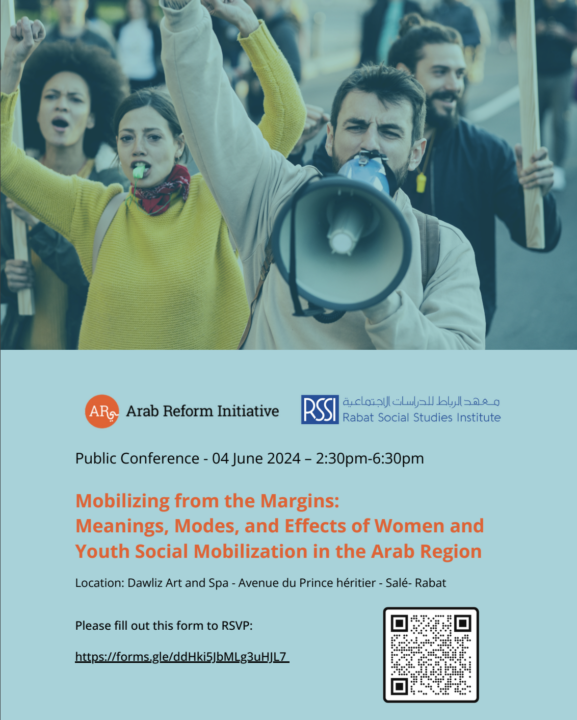
Mobilizing from the Margins: Meanings, Modes, and Effects of Women and Youth Social Mobilization in the Arab Region
Day of Dialogue on Inclusive Peace and Women’s Political Representation: With Women Activists from Libya, Yemen, Iraq, Syria and Palestine
Peace Building Initiatives and Alternative Forms of Women’s Political Participation In Syria
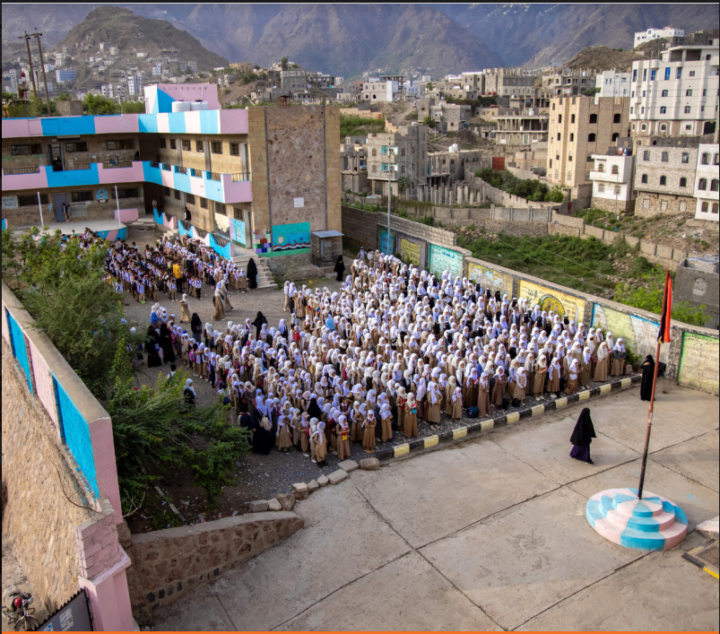
Grassroots Voices: Women and Everyday Peacebuilding in Yemen
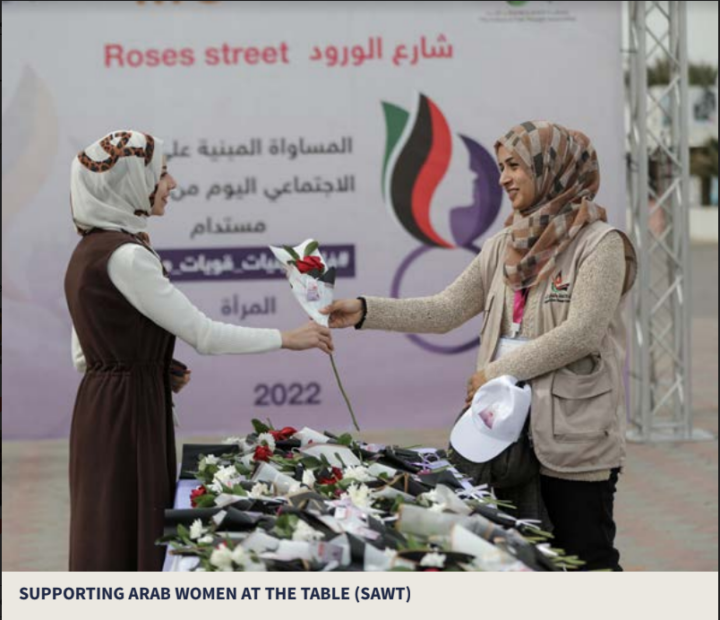
Resolution 1325 through the Eyes of Palestinian Women
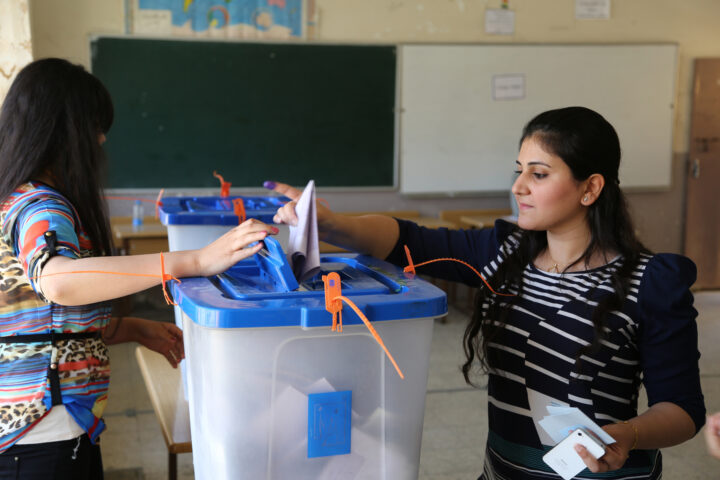
Women's Political Participation in Iraq
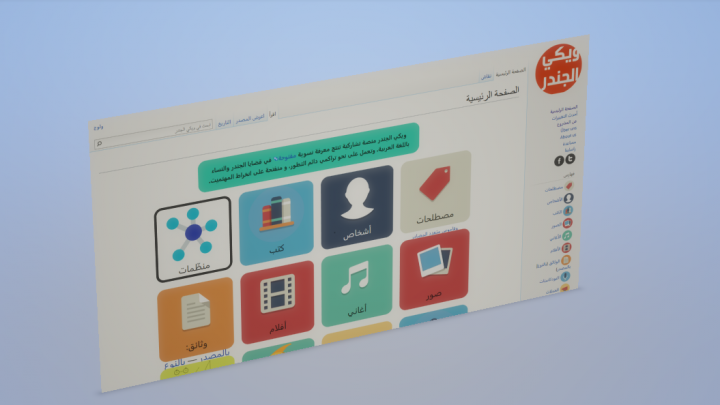
Wikis as Catalysts for Activism: The Case of Arabic Wiki Gender
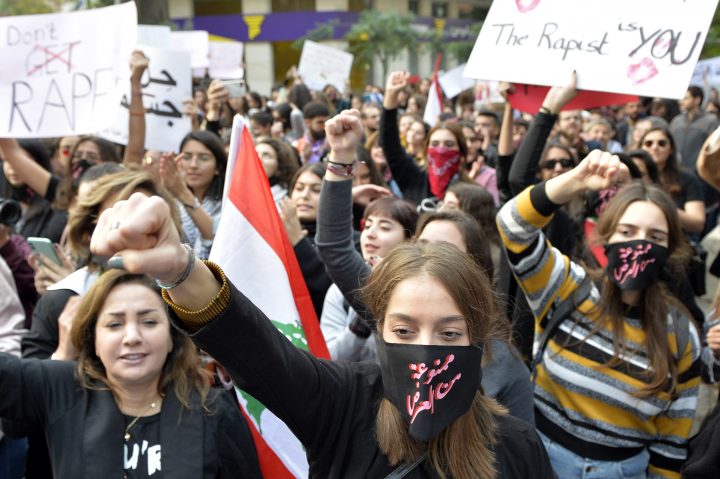
Lebanese Women and the Politics of Representation
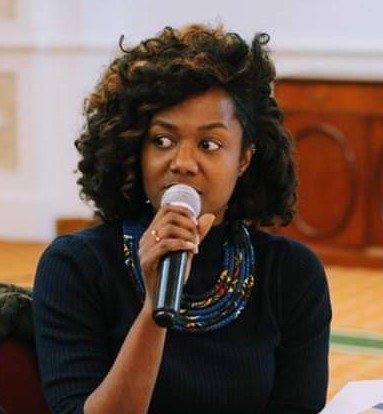
Facing up to Racism in Tunisia: Interview with Khawla Ksiksi
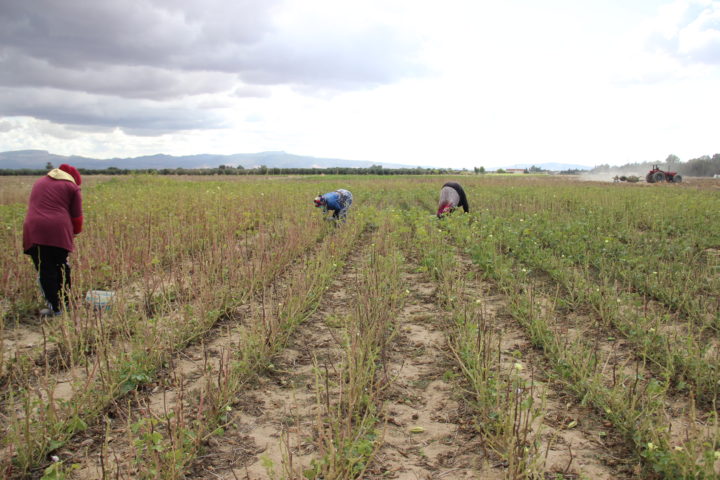
Tunisia: COVID-19 Increases Vulnerability of Rural Women
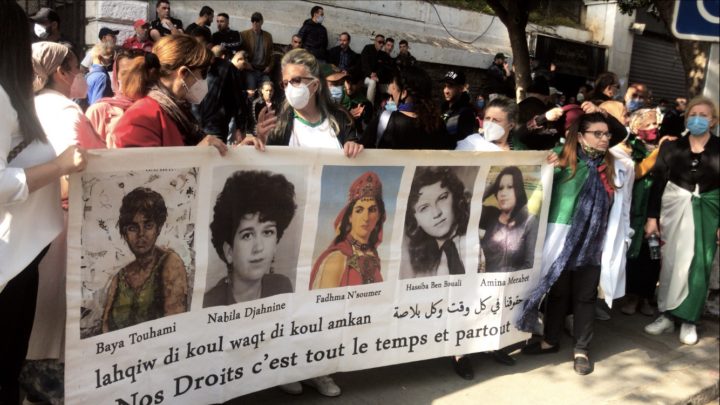
Hirak and Feminism: An equation with two unknowns
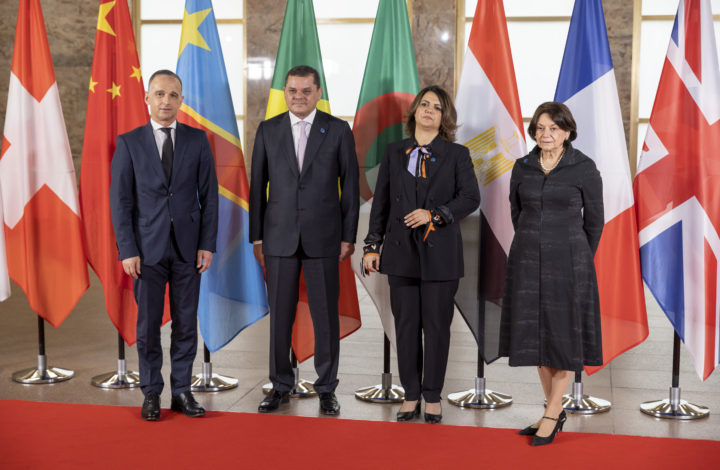
The Role of Women in the Libyan Government: An Interview with Hajer Sharief
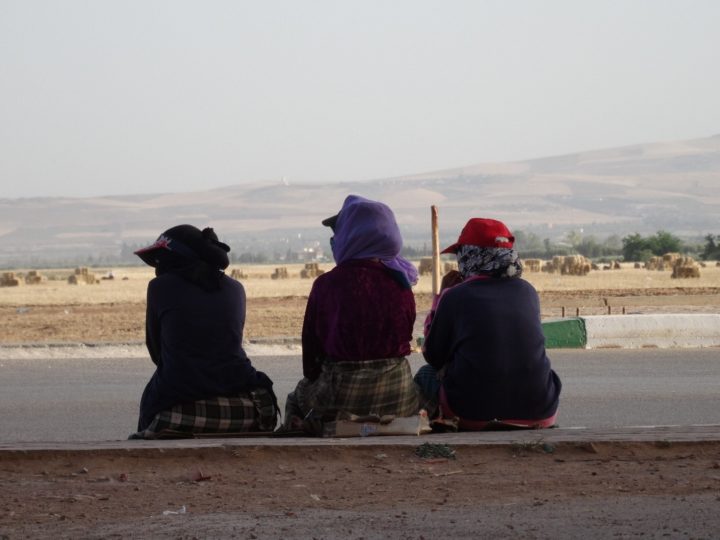
Beyond Morocco’s agricultural boom: The invisibility and precariousness of a female agricultural workforce
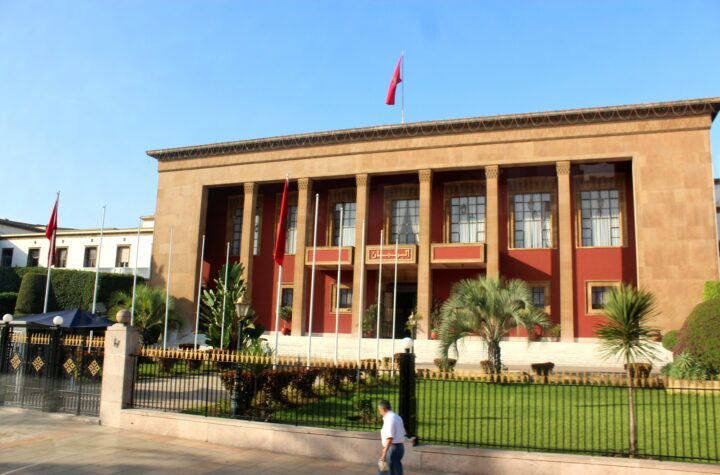
The impact of the quota system on women parliamentary representation in Morocco: A series of reforms or a regressive path?
Lessons from Morocco’s women’s rights movement: Overcoming divisions to push for reforms
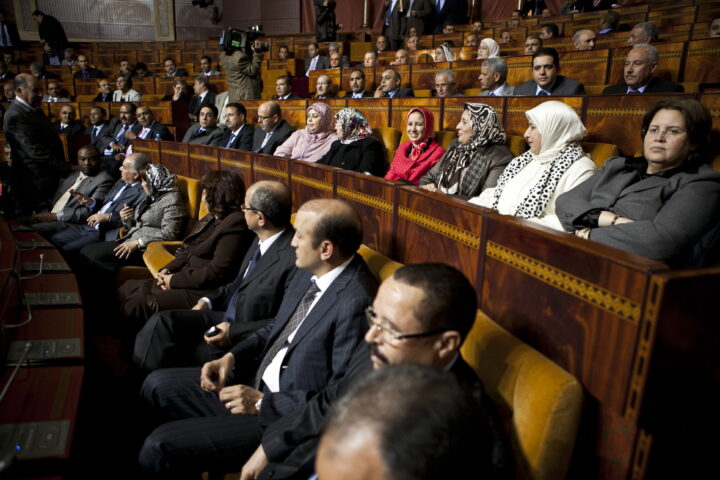
Women’s Experiences of Representation and Marginalization in Morocco: Taking Stock and Outlining Future Trajectories
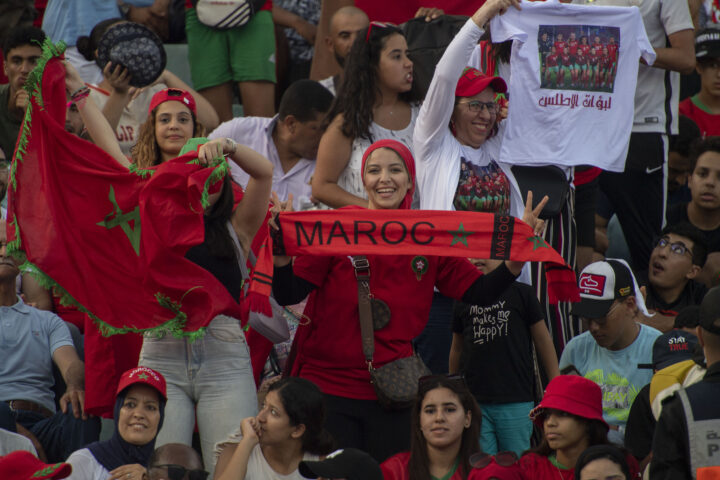
#Kousintek: When Football Exposes Gender Inequalities
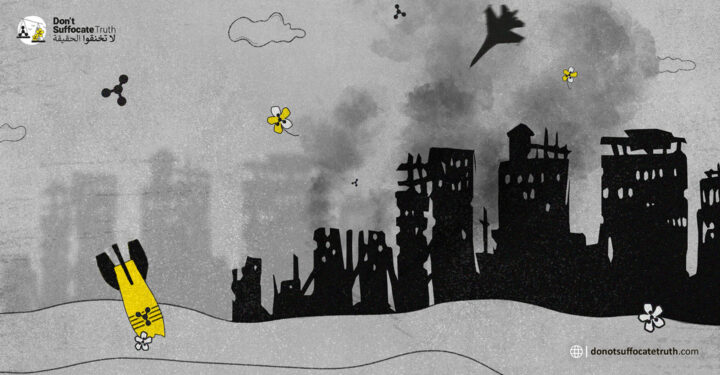
Examining Chemical Weapons Attacks in Syria through a Gendered Lens
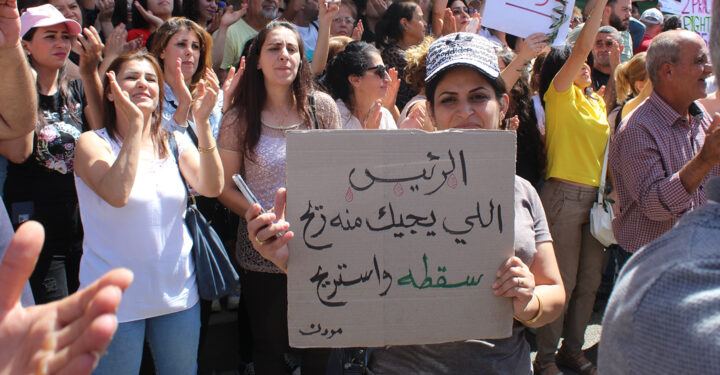
Analyzing Suwayda’s Protest Movement: Nonviolence, Solidarity, and Women’s Participation
Events
2023
WebinarInvesting in Knowledge: Funding Gender-Sensitive Research in Syria
2020
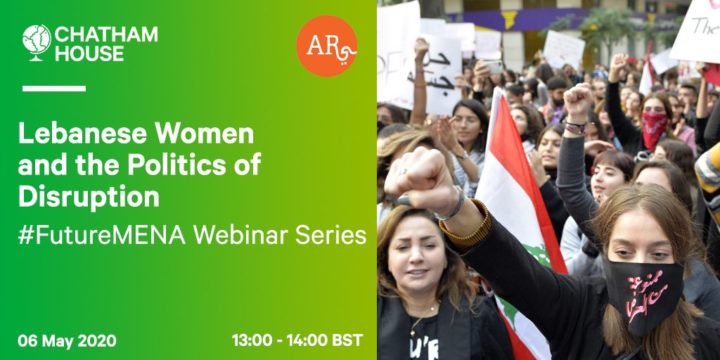
WebinarLebanese Women and the Politics of Disruption
2021
WebinarFemale Agricultural Workers: At the Heart of Food Security while Deprived of Basic Rights
2022
WebinarThe Gendered Impact of Covid-19 Responses in the Arab Region: A Dire Need for Effective Social Protection
Videos
SAWT Fellowship program and the 2023 summer school
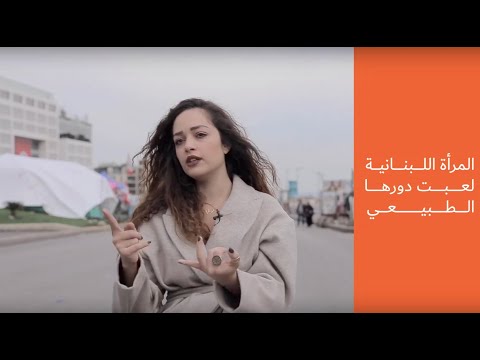
Our Revolution Is Feminist: Meeting with Women Activists in Lebanon
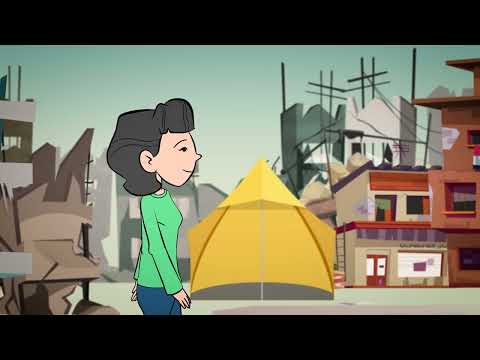
Ebtisam (Syria) - Young women navigating conflict in MENA

Jihan (Syria) - Young women navigating conflict in MENA
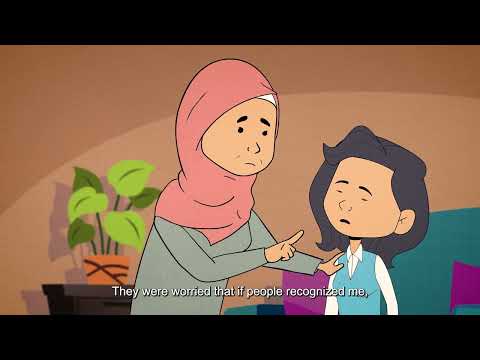
Maisoon (Iraq) - Young women navigating conflict in MENA
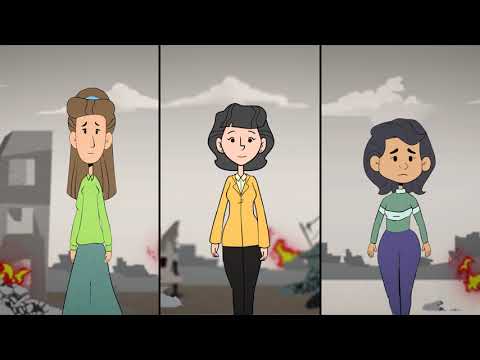
Young women navigating conflict in MENA
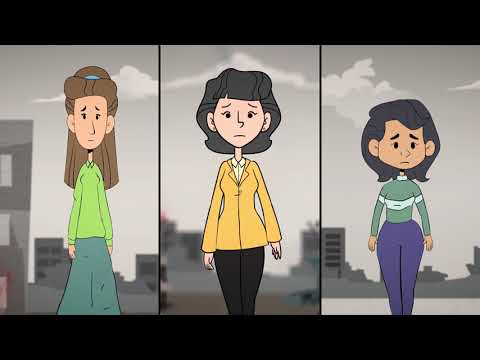
Trailer | Young Women Navigating Conflict in MENA
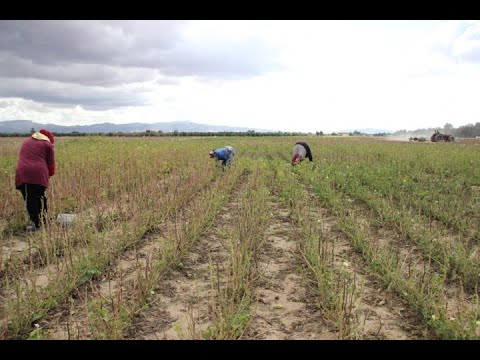
Female Agricultural Workers: At the Heart of Food Security while Deprived of Basic Rights
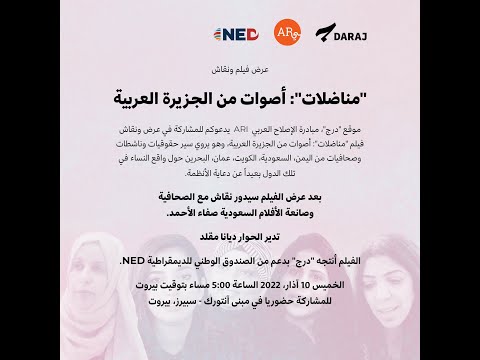
Munadilaat (Arabic)
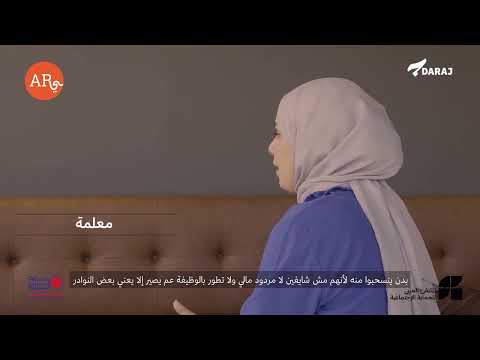
Jordanian teachers
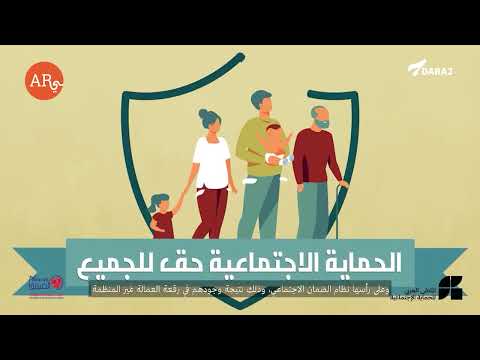
The Social Security System in Jordan
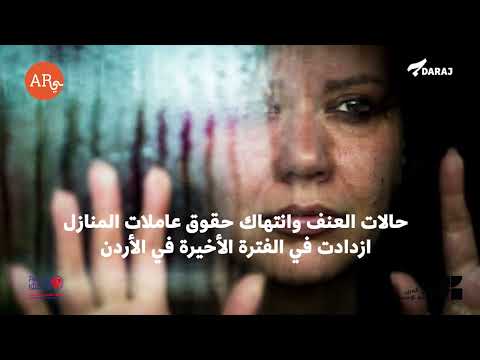
Foreign female workers in Jordan
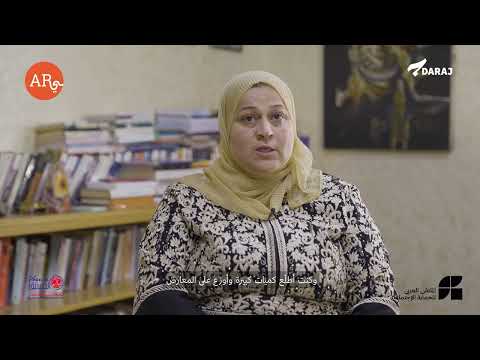
Domestic workers in Jordan
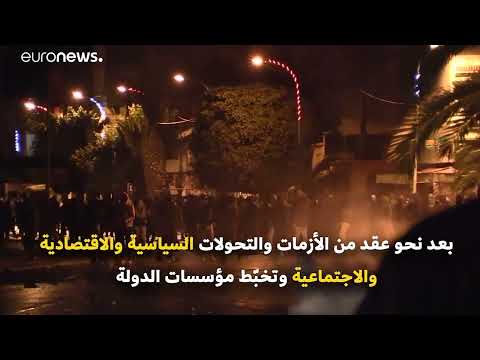
Youth and family migration are considered consequences of the "coronavirus" pandemic in Tunisia
The Political Participation of Syrian Young Women: Challenges and Solutions
How do we support women economically to reach decision-making tables?
Inas Jabbar on Quotas in Iraq and the Political Challenges Facing Women
Yemeni Women Deprived of Mobility and Political Work
Podcast Series
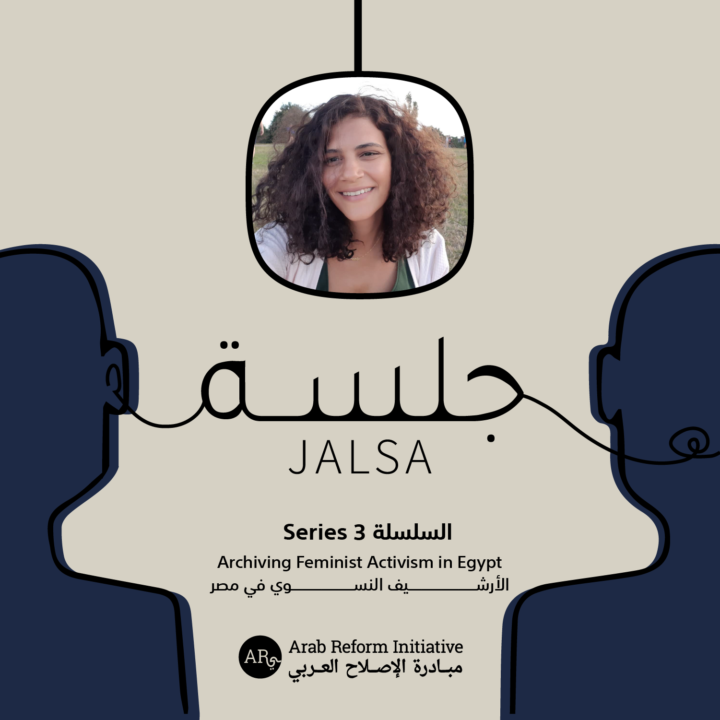
Archiving Feminist Activism in Egypt is the Arab Initiative Reform’s third podcast series. It takes a historical approach to investigate a mainstream narrative connecting feminist activism in Egypt with the global MeToo movement. Through its five episodes, the podcast creates an archive of narratives by individuals who were involved firsthand in feminist activism in Egypt in recent years. In each episode, activists recount their experiences and share their analysis of the conditions that shaped their activism. Part of our Jalsa | جلسة podcast, this series arranges and officialize these narratives to tell a certain story: the story of an Egypt that has witnessed the proliferation of feminist activists who brought different modalities of activism to correspond with the boundaries – the limitations and opportunities – offered in the local context.
The Syrian conflict is among history’s most well-documented events, yet the vital roles of women remain overlooked. Our upcoming Jalsa podcast series, ‘Jalsa with Syrian Women Politicians,’ aims to bridge this gap. In eight episodes, we’ll explore Syrian politics through in-depth interviews with women who are key players in the political landscape. This series is produced within the framework of the SAWT project, one of the Women Political Participation program’s outputs. The program aims to enhance women’s voice at decision-making tables, through local feminism knowledge production, local and international advocacy, and women’s networking at the global south level.