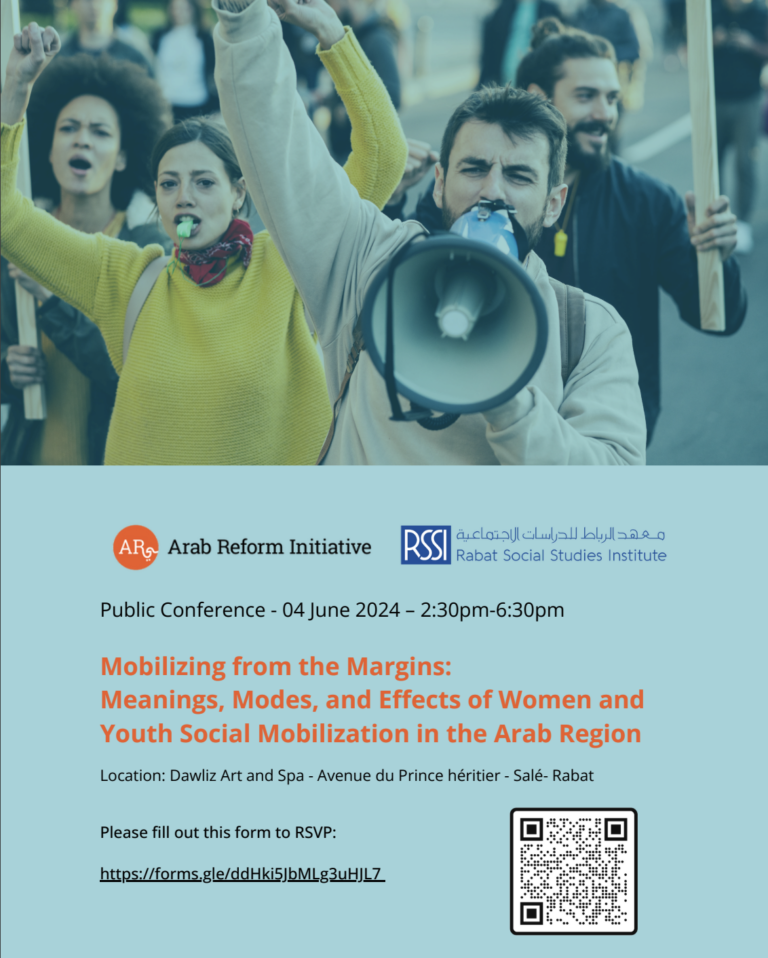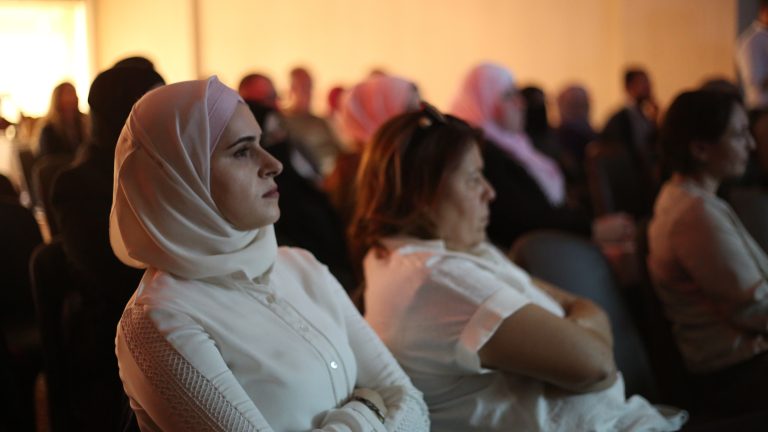
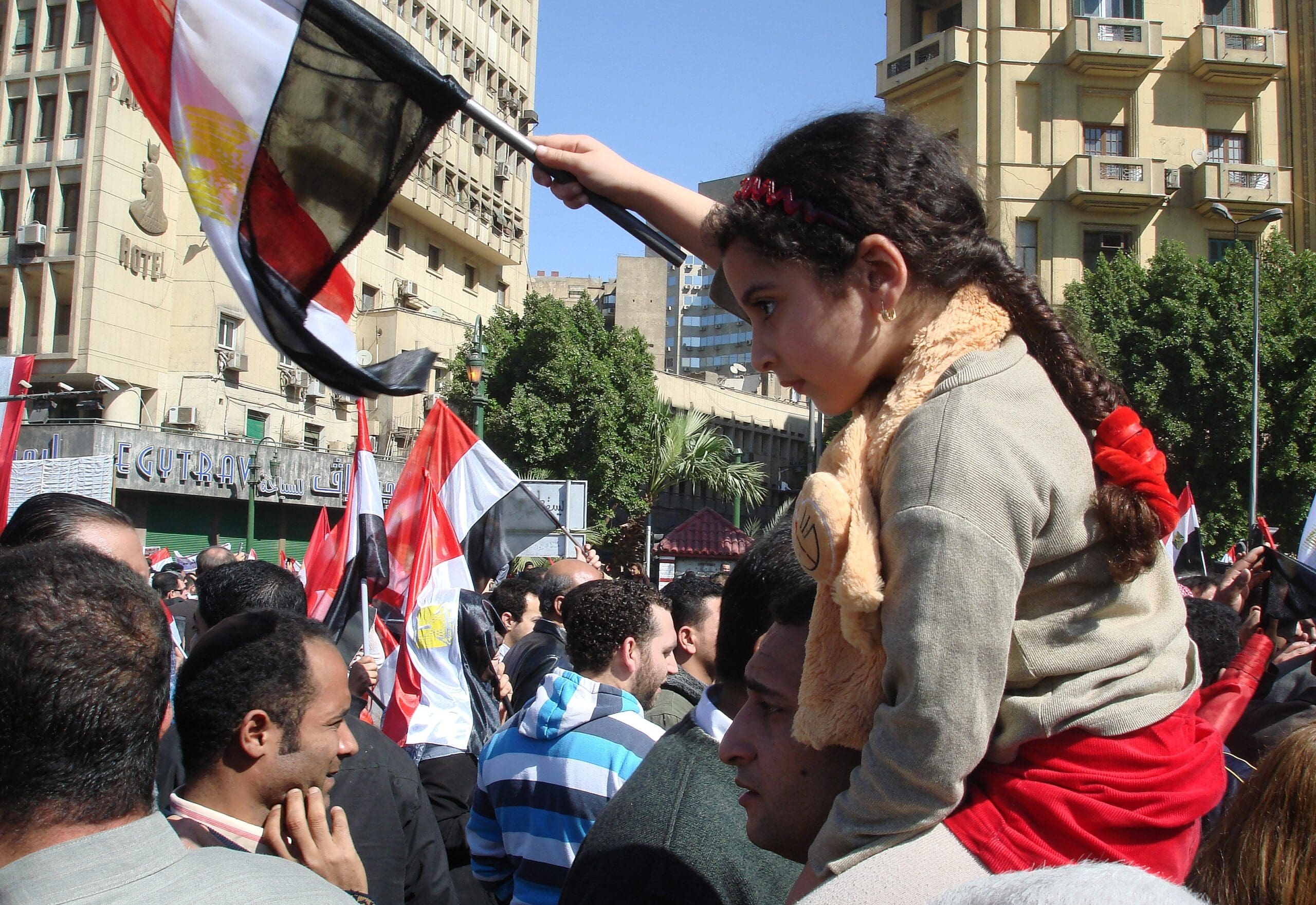
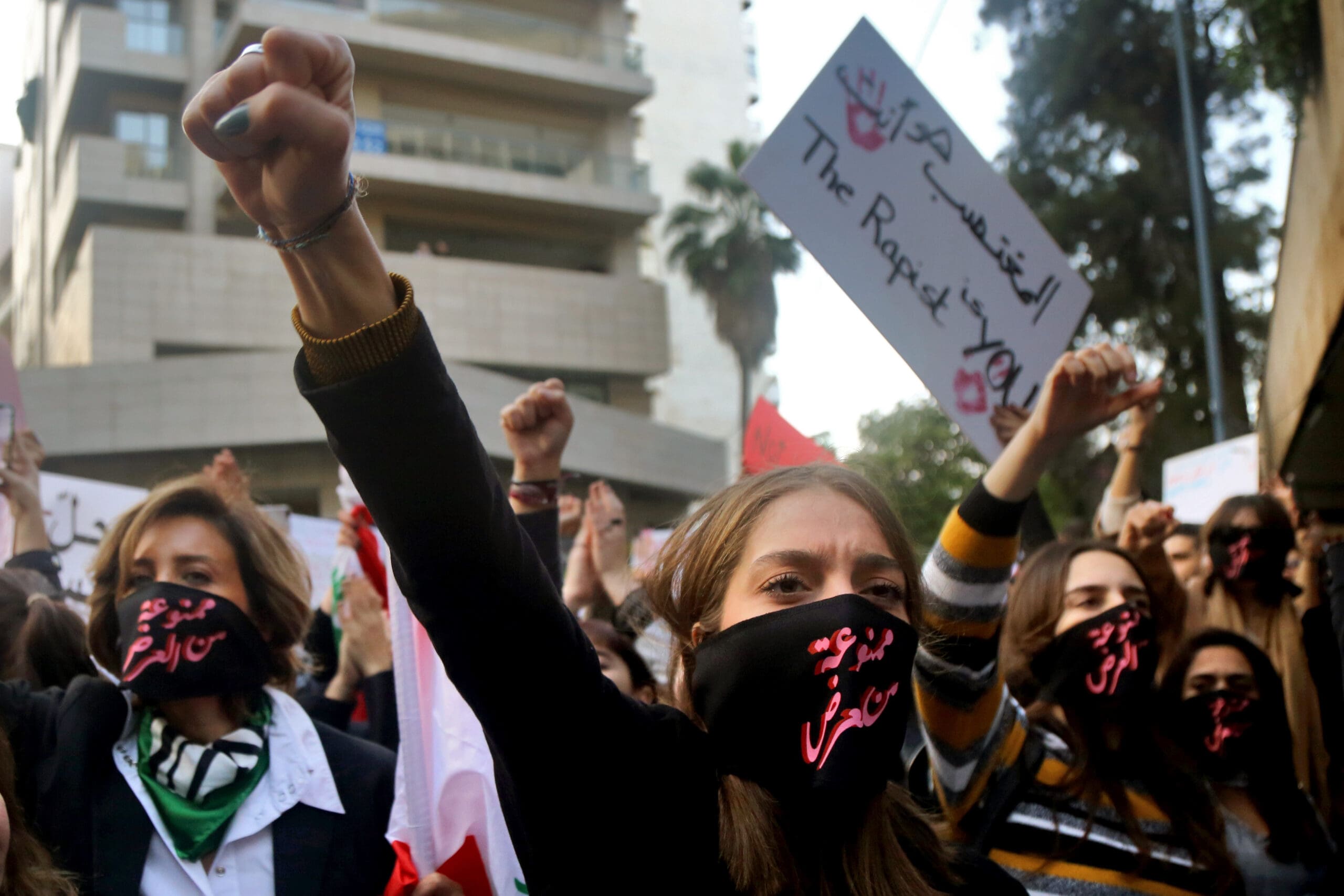


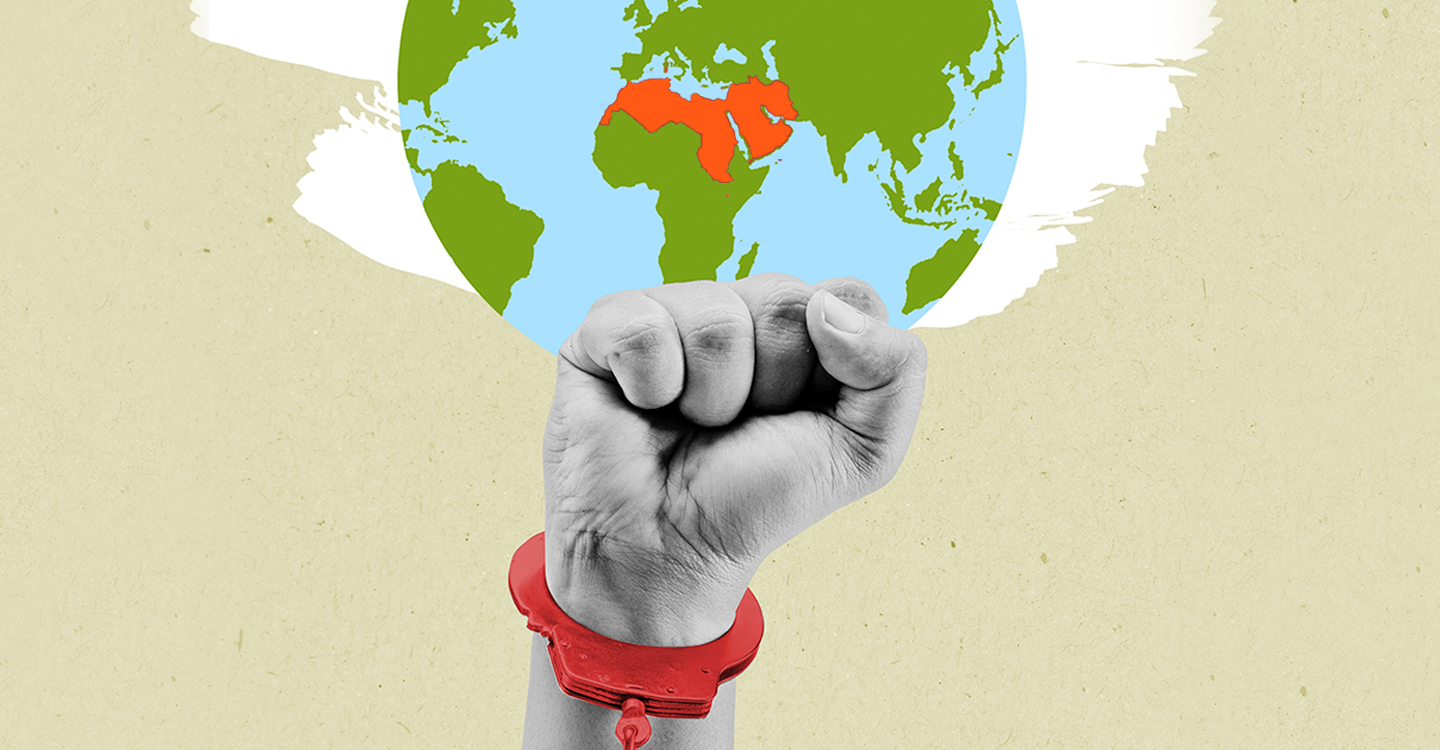



ARI’s Inclusive Governance Program examines who gets to take part in political life in the MENA region, and who is kept out. We study and support the people, movements and institutions working to open up political systems dominated by centralized, exclusionary power, so that the region’s diverse societies (in all their rich components including women, young people and marginalized communities) can shape policy and the public agenda.
Our goal is to break up systems of decision-making dominated by centralized and exclusionary power, allow diverse perspectives to inform policy and the public agenda, and extend rights to voice, assembly, participation and belonging to all. The program was established in 2025 to bring together ARI’s diverse areas of expertise on women in politics, youth political participation, social movements as actors of change, and institutional and legal reform for the purpose of inclusivity. In bringing together these strands of policy research and action, the program promotes a holistic approach to how inclusive politics can be achieved in the MENA region.
2025
Program launched
4
Research pillars
11
Countries covered
10+
Partner organizations
Our approach
We work at two levels. From the bottom up, we work with actors and organizations struggling against political exclusion, including women, youth, minorities, diasporas, social movements, civil society organizations, professional associations, syndicates, cooperatives, and democratic political forces. From the top down, we study the constitutions, laws, electoral systems and institutions that can guarantee full citizenship and participatory decision-making.
We look at how the two levels interact: how mobilization from below can reshape the rules of politics, and how those rules widen or narrow the space for people seeking a voice. Our vision of inclusive governance in the MENA region is not merely procedural but deeply transformative: one in which diverse actors can participate in the political and public spheres, locate and undo entrenched power dynamics, and foster democratic practices at all levels.
Women, Peace and Security (WPS) Working Group for Arab States
ARI is a member of the Women, Peace, and Security Working Group for Arab States, which acts as a regional mechanism to influence and inform WPS policy spaces. The group conducts consultations with WPS stakeholders from the region and leads high-level dialogues on different priority themes in the region’s WPS landscape to produce recommendations for national and international actors.
The Working Group, which consists of some fifteen WPS experts (peacebuilders, peace practitioners, policy experts, researchers, and private sector representatives), is led by the WPS Regional Hub at the Issam Fares Institute for Public Policy and International Affairs in collaboration with the UN Women Regional Office for the Arab States.
Other organizations partnering in these efforts are Deutsche Gesellschaft für Internationale Zusammenarbeit (GIZ) GmbH, Friedrich-Ebert-Stiftung MENA, the Middle East Council on Global Affairs, Inclusive Peace, the Embassy of Switzerland to Lebanon and Syria, and the Swedish Dialogue Institute.